
What to Budget for Podcast Production in 2026: A Founder’s Guide
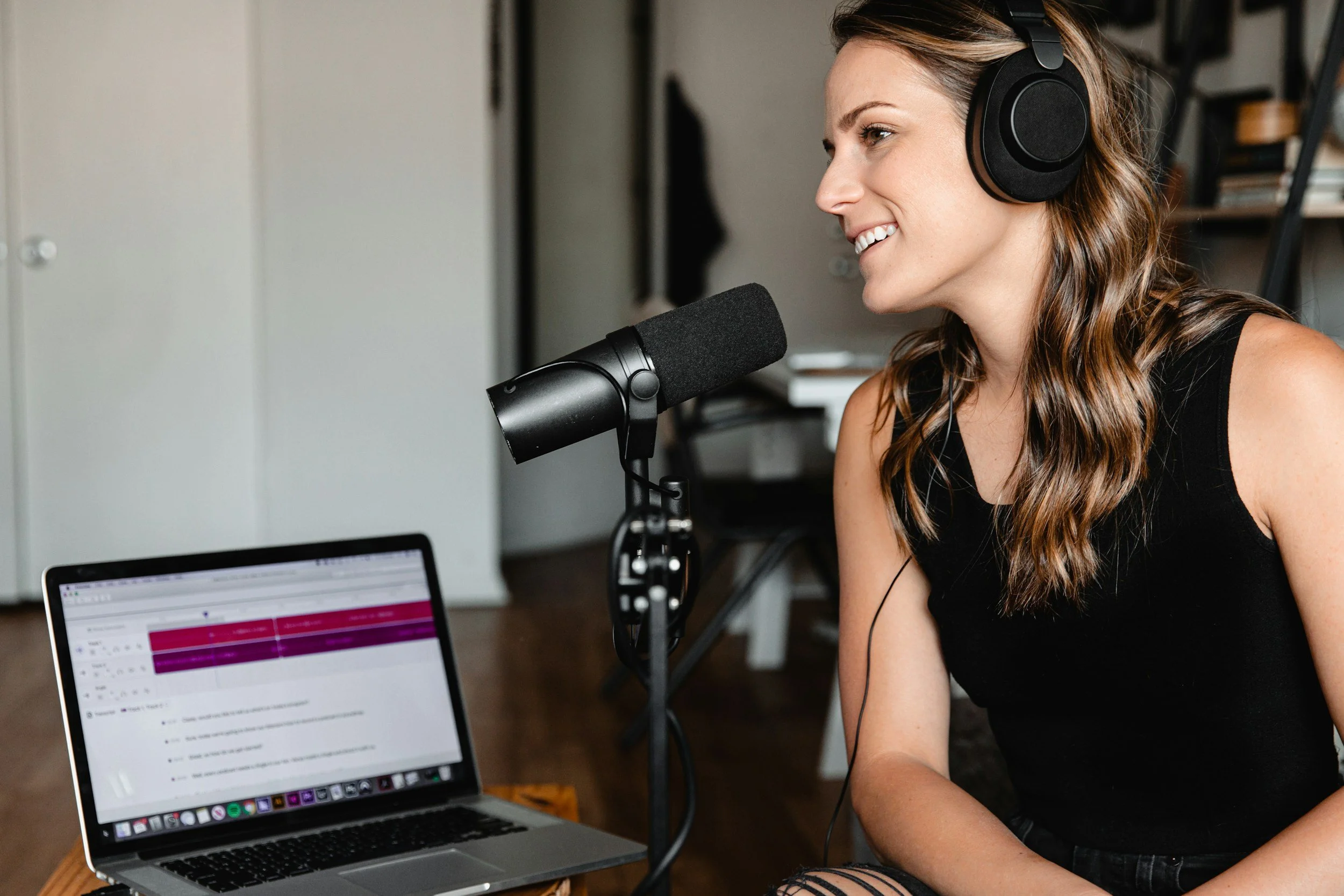
If you’ve been thinking about starting a podcast in 2026, you’ve probably done what every founder does: typed “How much does podcast production cost?” into Google…
…and then immediately regretted it.
The answers are all over the place.
$300 a month. $3,000 a month. $30,000 a month.
Who’s telling the truth? And more importantly—what should you actually budget?
The Real Question Isn’t “How Much?” — It’s “What For?”
Most of the pricing confusion comes from mixing apples and oranges:
a freelance editor charging by the episode
agencies charging per month
AI tools that “edit” your audio but won’t save your reputation
corporate-level creative shops pricing like a mini Netflix series
You need clarity, not chaos.
So here’s the real breakdown—based on what founders, franchisors, and executive brands actually need in 2026.
1. Editing Alone: $100–$400 per Episode (And That’s Bare Bones)
Could you get someone on Upwork to edit for $50?
Sure. You could also cut your own bangs.
A good editor—someone who protects your voice and your brand—typically charges:
$135–$250/episode for straightforward editing
$250–$400 for heavier cleanup, mixing, and polish
If you’re publishing weekly, that alone easily becomes $600–$1,600/month.
And remember: this is editing only. No show notes. No distribution. No strategy.
This is where most founders get surprised.
2. The Hidden Work No One Warns You About
Editing is the tip of the iceberg. A real podcast requires:
Show notes
Episode titles
Guest communication
Audiograms / clips
Scheduling
Uploading
Publishing on all platforms
Pulling LinkedIn and newsletter copy
It’s the operations that crush busy founders—not the recording.
By the time you add it up, this is easily 10–20 hours a month of behind-the-scenes work.
So if you're thinking “Oh, my VA can do it,” ask yourself:
Do I want my VA learning audio engineering, content strategy, and platform distribution on YouTube tutorials?
This is where most shows lose consistency (and credibility).
3. What You Should Expect to Pay for a Professional Team
If you want strategy + editing + distribution + support, the real ranges for 2026 look like this:
Biweekly Publishing (2 episodes/month)
$1,500–$3,500/month
This gets you high-quality editing and foundational content support.
Great for founder-led shows without heavy repurposing needs.
Weekly Publishing (4 episodes/month)
$3,500–$6,000/month
This is the “your podcast feels like a real show” tier.
Includes full editing, show notes, scheduling, clips, and strategic repurposing.
Premium Executive-Level Support
$7,000–$15,000+/month
This is where brands want a full content ecosystem:
podcast → LinkedIn → newsletter → repurposed thought leadership.
This level is built for founders who want it done for them, not with them.
4. What Most Founders Underestimate: The Cost of Inconsistency
The real financial drain isn’t the monthly bill.
It’s the false starts.
A few of the patterns I see:
Launching a show, burning out, and restarting six months later
Paying an editor but doing all the strategy yourself
Publishing sporadically (which kills momentum and pipeline)
Recording episodes but never releasing them
Sitting on an expensive mic you use once a quarter
If you're serious about using your podcast as a middle of funnel to a bottom of funnel engine, consistency is the ROI driver.
And consistency requires support.
5. So What Should You Budget for 2026?
If you’re a founder, executive, or franchisor—and you want your podcast to move people, not just exist—here’s the honest guidance:
Biweekly publishing:
Budget: ~$3,500/month (your SPS middle tier)
Weekly publishing:
Budget: ~$5,000/month (your SPS top tier)
These numbers put you firmly in the professional, strategic, founder-led category—not the hobbyist category.
It’s predictable.
It’s sustainable.
And it respects your bandwidth.
6. Final Thought: Podcasting Isn’t Expensive—Winging It Is
If your goal is to build trust, visibility, and business results…
Then the question isn’t:
“How cheap can I produce a podcast?”
It’s:
“How much friction can I remove so this show actually stays alive, evolves, and works?”
That’s the real ROI.
That’s the real budget.
Your podcast can be a growth engine—not another task.
See how our Content Kits streamline everything from editing to distribution.
→ View Content Kits